by Amine Rahal | Mar 23, 2026 | Debt Relief
 TurboDebt (sometimes written as Turbo Debt) is a U.S. debt relief brand that helps consumers explore options for tackling unsecured debt (like credit cards, personal loans, medical bills, and collections). The key thing to understand up front is that TurboDebt often acts as a connector that matches you with a debt relief program that fits your situation, rather than always being the company that negotiates directly with your creditors.
PS: Want a fast, personalized starting point before you call anyone? Take our quick quiz here: Debt Relief Quiz (settlement vs consolidation vs bankruptcy).
Are you sure TurboDebt is right for you?
Debt settlement has its downsides! Don’t jump in without comparing different options. Take our quick Debt Relief Quiz to get a better sense of whether debt settlement, consolidation, counselling or bankruptcy may be the smarter direction for your situation.
Why start with the quiz
- Helps narrow down your best-fit option
- Useful if you are torn between multiple debt solutions
- Fast, simple, and more personalized than guessing
Quick reminder
- Every debt situation is different
- The right option depends on your budget, goals, and urgency
- Use the quiz as a smart starting point before committing
TurboDebt company snapshot (updated for 2026)
- Company: TurboDebt, LLC
- Website: TurboDebt.com
- Headquarters (published on TurboDebt site): 1643 NW 136th Ave, Building H, Sunrise, FL 33323
- Email (published on TurboDebt site): contact@turbodebt.com
- Availability: TurboDebt states it does not offer services in CT, MN, OR, VT, WV, and WI. Always confirm availability from their “Areas We Serve” page before you spend time on an application.
Legitimacy, ratings & reviews (2026 update)
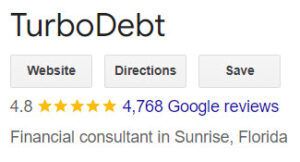
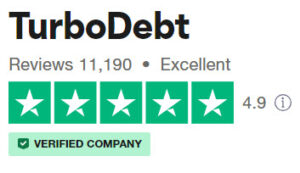
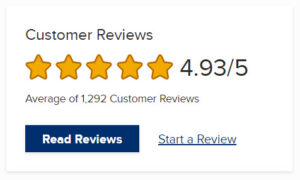
Below is a current snapshot of third-party ratings. These numbers can change over time, so consider them a “temperature check,” not a guarantee of your experience.
TurboDebt
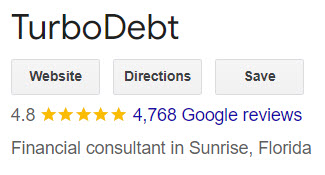
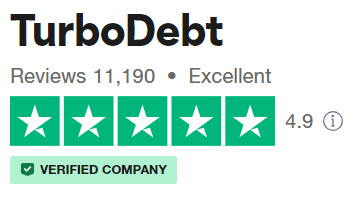
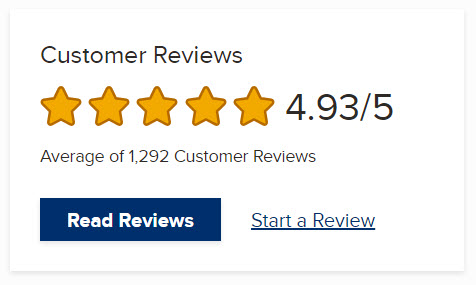
- BBB: A+ rating; customer reviews about ★ 4.87/5 (1,300+ reviews)
- Trustpilot: ★ 4.9/5 (14,000+ reviews)
What TurboDebt actually does (and the question you should ask)
TurboDebt describes itself as a service that connects clients to debt relief programs. In practice, that can mean your case may be handled by a partner program (example partners listed publicly include National Debt Relief and others). That isn’t automatically “bad,” but it changes what you should ask on your first call:
- Who will be the actual program provider negotiating with my creditors?
- What is the total cost (program fees + any dedicated account fees), and when do those costs get charged?
- Will I be asked to stop paying creditors during the program, and what happens if a creditor sues?
- How will you communicate settlement offers, and do I have to approve each settlement?
How debt settlement usually works (plain English)
- Free consultation: you share your debts, budget, and hardship.
- Program fit: if settlement is recommended, you’ll typically open a dedicated account to build funds for offers.
- Negotiations: once enough funds accumulate, settlements are negotiated one debt at a time.
- Fees: reputable providers generally cannot charge “advance fees” before results (make sure you understand fee timing).
- Finish line: the goal is to resolve each enrolled debt and close the program.
If you’re new to this, two excellent government resources to read first are the FTC’s overview of getting out of debt and the CFPB’s explanation of debt relief programs. Also be aware that canceled debt can sometimes trigger tax forms (like a 1099-C), depending on your situation.
TurboDebt Pros 👍
- Massive review footprint: TurboDebt has a very large volume of consumer reviews across major platforms, which is useful for due diligence.
- Clear “shopping” entry point: If you’re not sure which option fits (settlement vs counseling vs consolidation), TurboDebt can be a starting conversation.
- Availability in most states: While not nationwide, it is available in many U.S. states (confirm via their service area page).
TurboDebt Cons 👎
- Potential “middle layer”: Because TurboDebt can act as a connector, you must confirm who the actual program provider is and what their policies are.
- Costs can be significant: Debt settlement fees are often a percentage of enrolled debt, and you may also pay account fees depending on the setup.
- Credit impact risk: Many settlement programs involve missed payments, which can hurt credit and increase collection pressure before resolution.
Not sure whether settlement, consolidation, or bankruptcy makes more sense?
Before you commit to any company or program, take our quick quiz. It can help you figure out which debt relief path may fit your situation best.
Take the debt relief quiz
What types of debt can these programs usually help with?
Most debt settlement programs focus on unsecured debts, for example:
- Credit card balances
- Personal loans
- Medical bills
- Collections
- Some private unsecured lines of credit
They typically do not “settle” secured debts in the usual way (like mortgages or auto loans) because those are tied to collateral. Student loans and tax debts have their own rules and may require different specialists.
Who TurboDebt might be best for (and who should look elsewhere)
- Better fit: You want to explore options, you have meaningful unsecured debt, and you can commit to a structured payoff plan.
- Probably not a fit: Your debt is mostly secured (mortgage/auto), you’re current on everything and just want a lower interest rate, or you need legal protection quickly (in that case, speaking with a bankruptcy attorney may be smarter).
Other reputable options to compare
Even if you like what you hear from TurboDebt, I would still compare a few other providers before making any decision. Debt relief is not one-size-fits-all. Some companies are better for straightforward unsecured debt, some are stronger for tax debt, and some may be a better fit if you want a more legal-heavy approach.
Here are several alternatives you can review on our site:
- CuraDebt review – a well-known name that can be worth a look if you want to compare a more established debt relief brand.
- Oak View Law Group review – a useful option to compare if you prefer a law-firm-style approach or want help with more complex debt situations.
- JG Wentworth Debt Relief review – worth reviewing if you want to compare another major brand with broad consumer awareness.
- National Debt Relief review – one of the biggest names in the space, and a smart benchmark when comparing fees, process, and reputation.
- Freedom Debt Relief review – another large provider that is useful to compare if you want to see how a major national company stacks up.
- Pacific Debt Relief review – a good one to look at if your focus is mainly unsecured debt like credit cards, loans, collections, or medical bills.
- Accredited Debt Relief review – worth comparing if you want to look at a provider that may offer both settlement and consolidation-style options through partners.
- CreditAssociates review – another option to compare if you want a broader sense of how different programs structure their process and fees.
If you want a broader shortlist instead of reviewing companies one by one, here is our full rankings page: Best debt settlement companies ranked by ratings & reviews.
And if you are still not sure whether debt settlement is even the right route for you, I would take our Debt Relief Quiz before speaking with any company. It can help you think through whether settlement, consolidation, or even bankruptcy may be the better fit for your situation.
Bottom line (Our conclusion for 2026)
TurboDebt appears legitimate and has strong public ratings. The main “watch-out” is clarity: confirm who will actually manage your program, get the total fee schedule in writing, and make sure you’re comfortable with the timeline and credit impact.
Ready to see which debt relief option may fit you best?
Take our quick debt relief quiz to compare paths like settlement, consolidation, and bankruptcy before you decide what to do next.
Frequently asked questions
Will debt settlement hurt my credit?
It can. Many settlement programs involve missed payments before debts are resolved, which can damage credit scores and increase collection activity. If protecting credit is your top priority, ask about alternatives like a nonprofit debt management plan (DMP) or consolidation.
Can creditors sue me while I’m in a program?
Yes, it’s possible. Not every creditor agrees to settle, and some may pursue collections or lawsuits depending on the balance, timeline, and creditor policies. Ask how your provider handles lawsuits and whether they offer any support or referrals.
How long does debt settlement usually take?
It depends on how much you owe and how much you can set aside each month. Many programs are marketed in multi-year timeframes. The realistic way to judge it is simple: how fast you can build funds for settlement offers.
Are there tax consequences if a debt is forgiven?
Sometimes. If a creditor forgives part of your debt, you may receive a tax form and the forgiven amount may be treated as income, depending on your situation. If you’re close to enrolling, consider checking with a tax pro so you’re not surprised later.
What fees should I expect?
Ask for a complete fee schedule in writing. The big variables are (1) the program fee (often a percentage of enrolled debt), (2) whether the fee is based on enrolled debt or settled debt, and (3) whether there are monthly dedicated-account fees.
What questions should I ask on the first call?
Ask who the actual program provider is, whether you’ll be advised to stop paying creditors, the total cost including any account fees, whether you approve each settlement, and what happens if a creditor refuses to negotiate.
Is a nonprofit debt management plan (DMP) safer?
A DMP can be a good option if your main issue is high interest rates and you can afford to repay the principal over time. It’s not debt settlement, but it may reduce interest and create one structured payment. It’s worth comparing before you commit to settlement.
What if I’m considering bankruptcy?
Bankruptcy can offer stronger legal protections and may be the right move in some situations. If you’re behind, facing lawsuits, or simply can’t make progress, it can be worth speaking with a bankruptcy attorney for an initial consult.
by Brandi Marcene | Mar 9, 2026 | Debt Relief

North Carolina combines both relatively low living costs and an ongoing influx of people moving in from other parts of the country. While average housing costs, food costs, utility bills, and everyday living expenses can still come in below those of many other states, that does not mean residents are immune to financial pressure and high debt.
Not sure which debt relief option fits your situation?
Take our quick quiz to compare debt settlement, consolidation, nonprofit programs, and bankruptcy in a more practical, side-by-side way.
Take the Debt Relief Quiz
In larger metro areas like Charlotte, Raleigh, and Durham, many households are now dealing with expensive rental markets, rising home prices, and broader increases in day-to-day expenses. For some families, the gap between income and the true cost of living has become harder to absorb than it used to be.
At the same time, many North Carolinians are trying to manage unsecured debts such as credit cards, medical bills, and personal loans. When those balances start piling up while living costs continue to rise, even people with steady income can begin to feel stuck.
Because of this, there are now more options than ever for people seeking debt relief in North Carolina. These may include credit counseling, debt management plans, debt consolidation, debt settlement, and in some cases legal discharge through bankruptcy. If you want a broader national overview before choosing a path, you can also explore our guide to debt relief options across the U.S., which provides a helpful starting point.
Common debt types
Credit cards, medical bills, personal loans, and other unsecured balances are among the most common issues people are trying to resolve.
Why people fall behind
Rising rent, higher housing costs, and inflation can quickly make minimum payments harder to manage month after month.
Main relief paths
Counseling, DMPs, consolidation, settlement, and bankruptcy each fit different levels of financial stress and repayment ability.
What Debt Relief Looks Like in North Carolina
Credit Counseling and Budget Review — A Low-Risk First Step
When debt feels overwhelming and you want to avoid taking drastic action, nonprofit credit counseling is often one of the safest places to begin. A counselor may be able to analyze your debts, review your income and monthly expenses, help create a workable budget, and recommend a repayment strategy for you to consider.
In North Carolina, many agencies offer these services statewide and often provide support online or by phone. For people who still have income coming in and mainly need structure, education, and a realistic game plan, this can be a smart first step.
Debt Management Plans (DMPs) — Simplifying Payments Over Time
A debt management plan gathers certain unsecured debts into one monthly payment, most often credit card balances. In some cases, creditors may agree to reduce interest rates or waive certain fees, which can make repayment more manageable over time.
For North Carolinians with stable income who are falling behind mainly because of interest charges and too many separate accounts, a DMP can offer structure without requiring a brand new loan. It usually works best for people who still have the ability to repay what they owe, but need a simpler system and more breathing room.
Debt Consolidation Loans — One Loan Instead of Many Payments
If you qualify for a reasonable personal loan rate, often through a credit union, bank, or online lender, consolidating several debts into one loan may lower your overall interest cost and make your finances easier to manage.
This path tends to work best for people whose credit has not already deteriorated too badly and who can stay disciplined with repayment. The key is that the new loan truly needs to improve your situation.
If the new rate is not clearly lower than what you are already paying, or the repayment term ends up increasing your total cost, consolidation may only rearrange the problem instead of solving it. If you are looking more closely at this category, you may also want to review our guide to the top debt consolidation lawyers and attorneys.
Debt Settlement — Negotiating Down What You Owe
For people carrying significant unsecured debt and struggling to keep up with minimum payments, debt settlement can sometimes offer meaningful relief. The goal is to negotiate with creditors so they accept less than the full amount owed.
That said, this approach has to be handled carefully in North Carolina. Residents should be very cautious of companies asking for large upfront fees. Settlement services are generally expected to be performance-based, which means fees should only be earned after actual progress is made.
There are also real trade-offs to understand. Accounts may become delinquent while negotiations are taking place, which can hurt your credit score. Collection efforts may continue during the process, and depending on the amount forgiven, there may sometimes be tax consequences as well.
If you want to compare providers that operate in this space, see our ranked guide to the best debt settlement companies. If you want a deeper look at our top-ranked option, you can also read our full New Era Debt Solutions review.
Short-Term Tools: Balance Transfers and Promotional Offers
If you have good credit and a smaller balance, a 0% balance transfer card or short-term promotional loan can buy you some time to pay debt down faster. In the right case, this can absolutely help.
Still, it usually works best as a short-term tool rather than a full debt relief strategy. For people dealing with larger balances or longer-term hardship, it often just moves debt around without reducing it in a meaningful way.
Bankruptcy — Legal Relief When No Other Option Feels Viable
When an individual is dealing with unsustainable debt, especially if lawsuits, wage garnishment, repossession threats, or foreclosure concerns are part of the picture, bankruptcy may need to be part of the conversation. In most personal cases, that means looking at Chapter 7 or Chapter 13.
For some North Carolinians, bankruptcy can discharge a large portion of unsecured debt and create a genuine reset. For others, it may not be necessary if a less severe option can still work.
Because exemptions, asset protections, eligibility rules, and case strategy can vary, it is generally wise to speak with a qualified attorney or legal aid resource before filing.
Top North Carolina Debt Relief Companies and Services

Best for: Larger unsecured debt balances
Fees: No upfront fees; performance-based model
Coverage: Nationwide, including North Carolina
More info: Read our full review
Money Management International (MMI)
Best for: Nonprofit counseling and debt management plans
Fees: Often free consultation or modest enrollment fees
Coverage: Nationwide, serving North Carolina
Freedom Debt Relief
Best for: Larger settlement cases
Fees: Performance-based fees
Coverage: Nationwide, including North Carolina

National Debt Relief
Best for: Large-scale debt settlement
Fees: Performance-based fees
Coverage: Nationwide, including North Carolina
More info: Read our review
InCharge Debt Solutions
Best for: Counseling and structured repayment help
Fees: Free consultation; monthly fees may apply for plans
Coverage: Nationwide, including North Carolina
North Carolina Debt Relief Company Highlights
New Era mainly focuses on negotiating unsecured debts and tends to be most relevant for people dealing with larger balances. North Carolina residents looking into settlement without major upfront costs often compare it early in their research.
Money Management International (MMI)
MMI is a nonprofit option focused on credit counseling and debt management plans. It may be a better fit for North Carolinians who still have stable income and want a structured way to repay debt rather than settle it.
Freedom Debt Relief
Freedom is one of the better-known national settlement brands. It is typically considered by people who have large unsecured balances and already know that regular repayment is no longer realistic.
National Debt Relief
National Debt Relief is another major name in the settlement space. It can be worth comparing if you want a large national provider rather than a smaller or more specialized company.
InCharge Debt Solutions
InCharge is more counseling and debt-management focused than settlement-driven. For people whose main problem is interest and too many accounts, rather than total inability to repay, that may be a better fit.
Still unsure whether settlement is actually right for you?
Before signing up with any provider, use our quiz to compare debt relief strategies side by side.
Compare Your Options
Where North Carolinians Can Turn for Additional Help
Legal Aid of North Carolina
May be able to help with debt-related legal problems, including collection issues, consumer protection matters, and in some cases bankruptcy-related guidance.
Credit Unions
Some credit unions may offer more community-focused consolidation loans, lower rates, and financial education tools that can be safer than high-cost lending options.
Nonprofit and Educational Resources
These can help with budgeting worksheets, debt payoff tools, and general financial triage before you commit to a private relief program.
Important North Carolina Legal and Consumer Protection Notes
North Carolina residents should be very cautious of debt settlement companies asking for major upfront payments before real results are achieved.
It is important to think carefully before turning unsecured debt into debt backed by your home through refinancing or home equity borrowing.
If you are already facing creditor harassment, lawsuits, repossession risk, or severe collection pressure, it may make more sense to speak with legal aid or a qualified attorney before enrolling in a private relief program.
Top Debt Relief Companies Serving North Carolina
Disclosure: we earn commissions as an affiliate of the partners below. They are companies we have vetted with strong ratings and large customer bases, but always compare options before enrolling.
Compare all 24 debt relief companies in our full rankings →
FAQs — Common Questions from North Carolinians About Debt Help
How long do debt management plans usually last?
Most debt management plans last around 3 to 5 years, depending on how much you owe, your income, and the terms your creditors agree to.
Can student loans be combined with other debts in a relief program?
Usually not in the same way as credit card or personal loan debt. Student loans often need separate repayment or hardship strategies, even if you are also dealing with other unsecured debts.
Will debt settlement hurt my credit score?
Yes, it often can. Accounts may become delinquent during negotiations, and missed payments can lower your score. Some people still consider it because the long-term alternative may be worse if the debt is no longer realistically repayable.
Are there laws in North Carolina that protect people seeking debt help?
Yes. North Carolina has consumer protections around debt-adjusting and settlement practices, which is one reason residents should be skeptical of unrealistic promises or requests for large upfront fees.
Can I switch to another provider if my current plan is not working?
Yes, but review your current agreement first. Look at cancellation terms, fees already earned, and whether your accounts are already in negotiation before making a change.
Should I try debt settlement before bankruptcy?
Sometimes yes, sometimes no. If you still have income and enough flexibility to fund settlements over time, settlement may be worth reviewing. If the debt is clearly unpayable and legal pressure is building, bankruptcy may be the cleaner path.
Final Thoughts — Choosing the Right Debt Relief Path in North Carolina
North Carolinians dealing with unsecured debt have more than one possible path forward. The right solution depends on how severe the debt problem is, whether you can still afford regular payments, how badly your credit has already been affected, and whether legal pressure is starting to build.
In my view, it usually makes sense to start by understanding the full menu of options instead of jumping straight into whichever company advertises most aggressively. In some cases, nonprofit counseling or a DMP may be enough. In others, settlement may be more realistic. And when the numbers simply do not work anymore, bankruptcy may deserve a serious look.
Whatever you choose, compare more than one provider, read all terms carefully, and use educational tools before committing. You can continue researching through our debt relief hub, our settlement company rankings, and our debt relief quiz.
by Amine Rahal | Mar 3, 2026 | Debt Relief
Overwhelmed with debt? If you’re trying to figure out whether you need a debt consolidation lawyer, a debt settlement company, a credit counselor, or bankruptcy support, this guide will help you make the call without wasting weeks (or money) going down the wrong path.
Quick reality check: “debt consolidation lawyer” is a popular search term, but most attorneys don’t literally “consolidate” debt the way a bank loan does. What they can do is help you negotiate legally, respond to lawsuits, stop garnishments, and choose the right legal strategy when the stakes are high.
Not being sued? Start here first (often cheaper than hiring a lawyer)
If your situation is mainly unsecured debt (credit cards, personal loans, medical bills) and you’re not dealing with a court case, many people get results faster by starting with a settlement-only provider. Our top pick is New Era Debt Solutions because they’re straightforward about the process and fees.
Disclosure: If you click and enroll, we may earn compensation at no extra cost to you.
💼 What is a debt consolidation lawyer?
A debt consolidation lawyer (also called a debt relief attorney or debt defense attorney) is a licensed attorney who can help you:
- Negotiate settlements with creditors (sometimes with stronger leverage when legal issues are involved)
- Respond to lawsuits and file legal defenses (critical if you’ve been served)
- Stop or reduce aggressive collection actions (depending on your situation and state laws)
- Evaluate bankruptcy (Chapter 7 or Chapter 13) and handle filings when appropriate
- Protect assets and reduce risk when you have judgments, liens, garnishments, or business exposure
Important: This page is educational and not legal advice. Always confirm licensing, fees, and state availability directly with any attorney or firm.
🧠 When a lawyer makes sense (and when it doesn’t)
👍 Hire a lawyer if:
- You’ve been sued or think a lawsuit is likely
- Your wages/bank account are at risk (garnishment or levy threats)
- You have judgments, liens, or complicated legal exposure
- You’re weighing bankruptcy and need proper legal guidance
- You want attorney-client privilege for sensitive details (business, divorce, inheritance, etc.)
👎 Skip the lawyer if:
- You’re not being sued and your debt is mostly standard unsecured accounts
- You mainly need a structured payoff plan and interest-rate relief (credit counseling may fit)
- You’re looking for the lowest-cost option and your situation is straightforward
💰 Fees & costs (the numbers people actually care about)
Costs vary by state and by how complex your case is, but here are realistic ranges so you can sanity-check what you’re being quoted.
| Option |
Typical cost structure |
Common ranges |
Best for |
| Debt settlement company |
Success-based fee after a settlement is reached and approved |
~15%–25% of enrolled debt (varies by state/company) |
Unsecured debt, not being sued, want a structured settlement plan |
| Debt consolidation loan |
Interest + possible origination fees (depends on lender/credit) |
APR varies widely; origination fees can be 0%–10% in some cases |
Good credit / stable income, want one monthly payment |
| Credit counseling (DMP) |
Monthly admin fee (often modest) + negotiated interest concessions |
Commonly $0–$75/month (varies by agency/state) |
You can repay in full but need lower rates and structure |
| Debt relief attorney |
Hourly, flat fee, or staged fees depending on service |
Hourly often $200–$500+; flat fees vary widely; bankruptcy cases often have separate filing/court costs |
Lawsuits, garnishment risk, complex cases, bankruptcy evaluation |
Two authority resources worth reading before you sign anything: the FTC’s guidance on debt relief and fees (FTC overview) and the CFPB’s consumer education on negotiating and debt relief options (CFPB debt collection tools).
Want settlement without paying “lawyer money” unless you truly need it?
If you’re not in a lawsuit right now, start by comparing settlement providers and fees. We keep New Era at the top of our list for a settlement-only approach. If your situation turns legal, you can still escalate to an attorney.
Disclosure: We may earn a commission if you enroll through our partner link.
🔍 How to vet any debt attorney or “law firm” program (avoid getting burned)
- Confirm licensing: Make sure you’re dealing with a real licensed attorney (or a firm supervised by one) in a state where they can legally serve you. If they won’t provide bar details, that’s a red flag.
- Get the fee structure in writing: Hourly vs. flat fees, what’s included, and what triggers extra charges (court filings, adversary proceedings, negotiation rounds, etc.).
- Ask what happens if you’re sued: Some “attorney-backed” programs still won’t represent you in court without extra fees.
- Understand credit impact: Any strategy that involves missed payments can damage credit temporarily. Make sure you’re choosing it intentionally.
- Ask for a realistic timeline: Anyone guaranteeing a specific outcome or promising “debt gone in 30 days” is not being straight with you.
Top debt consolidation law firms & attorney-led programs (nationwide options)
Below are well-known firms/programs people commonly compare. Availability and services vary by state, so verify directly.
1) Oak View Law Group (OVLG)
- Website: ovlg.com
- Phone: (800) 530-6854
- Best for: Broad consumer-debt help, including harder categories (like payday-related issues) and multi-step cases
- Tip: If OVLG is on your shortlist, you can also read our breakdown here: OVLG review
2) McCarthy Law PLC
- Website: mccarthylawyer.com
- Phone: (855) 875-9920
- Best for: Debt defense situations (especially if legal pressure is escalating)
3) National Legal Center
- Website: nationallegal.com
- Phone: (800) 728-5285
- Best for: People who want guided help and a structured process (verify state coverage)
4) Price Law Group (Resolve Law brand)
- Website: pricelawgroup.com
- Phone: (866) 210-1722
- Best for: Comparing settlement vs. bankruptcy when your debt load is heavy
5) Watton Law Group
- Website: wattongroup.com
- Phone: (414) 409-5422
- Best for: Foreclosure pressure, secured-debt stress, and bankruptcy-centered strategies
6) Recovery Law Group
- Website: recoverylawgroup.com
- Phone: (310) 997-0479
- Best for: People who want a more tech-enabled process plus legal escalation options
7) Kaplan Law Firm (student-loan focused)
- Website: kaplanlawatx.com
- Phone: (312) 294-8989
- Best for: Borrowers who want help navigating student-loan strategy and relief pathways
8) Five Lakes Law Group
- Website: fivelakeslawgroup.com
- Phone: (855) 441-6129
- Best for: People comparing attorney-led negotiation with a more structured monthly plan (verify state coverage)
9) Turnbull Law Group
- Website: turnbulllawgroup.com
- Best for: Large-scale cases where you want settlement plus legal backup options (confirm fees + representation scope)
- Note: Review profiles can differ by entity/location; always verify you’re looking at the exact firm you’ll be contracting with.
10) Your state bar referral directory (best way to find a true local specialist)
- Best for: Finding a lawyer who can appear in your local courts if needed
- Start here: The American Bar Association has a directory of state and local bar associations: ABA lawyer finder resources
🧾 What these attorneys can help with
| Legal service |
What it means in real life |
| Negotiate with creditors |
Reduce balances, settle accounts, and structure agreements (sometimes with better leverage when legal issues exist). |
| Legal protection |
Respond to lawsuits, defend claims, and reduce the odds of default judgments. |
| Stop garnishments |
Depending on your situation, they can file motions, negotiate resolutions, or recommend bankruptcy protection when appropriate. |
| Bankruptcy strategy |
Assess Chapter 7 vs Chapter 13, exemptions, and the realistic trade-offs. (Bankruptcy info hub: U.S. Courts overview) |
| Complex cases |
Judgments, liens, business exposure, secured-debt stress, and situations where a generic “settlement program” can backfire. |
🆚 Lawyer vs. settlement company vs. credit counseling (quick comparison)
| Feature |
Settlement company |
Credit counseling (DMP) |
Debt relief attorney |
| Reduces principal (balance owed) |
✅ Often |
❌ Usually not |
✅ Sometimes |
| Can defend you if sued |
❌ No |
❌ No |
✅ Yes |
| Best for credit-score preservation |
⚠️ Mixed |
✅ Often |
⚠️ Depends |
| Typical cost |
~15%–25% of enrolled debt |
Often $0–$75/month |
Hourly or flat legal fees |
| Good starting point if not sure |
✅ Yes |
✅ Yes |
⚠️ If legal pressure exists |
If you want a simple “start here” plan
- If you’re unsure what path fits, start with our quiz: Debt Relief Quiz.
- If you’re not being sued and have mostly unsecured debt, compare settlement providers and fees. Start with New Era Debt Solutions.
- If you’ve been sued, face garnishment, or need bankruptcy guidance, consult a licensed attorney in your state (use the ABA/state bar directory above).
Disclosure: We may earn compensation if you enroll through our partner link.
Frequently Asked Questions About Debt Consolidation Lawyers
I’ve been writing about debt relief, debt settlement, consolidation, and bankruptcy-related options for years now, and one thing I can tell you with confidence is this: there is no one-size-fits-all answer here. I’ve seen people save a lot of stress by choosing the right path early, and I’ve also seen people waste months, or even years, forcing the wrong solution. If you want a faster starting point before reading through everything, I’d suggest taking our debt relief quiz. It was built to help you think through whether settlement, consolidation, counseling, or bankruptcy may make the most sense for your situation.
Do I really need a debt consolidation lawyer?
In my experience, you usually need a debt consolidation lawyer when your debt situation has crossed over into legal territory. If you’ve been sued, threatened with garnishment, hit with a judgment, or you’re seriously weighing bankruptcy, that’s when I think legal help becomes much more valuable.
But if you’re dealing mostly with unsecured debts like credit cards, personal loans, or medical bills, and nobody has taken you to court, I usually would not tell you to run to a lawyer first. In a lot of those cases, a settlement-focused company, a debt management plan, or even a careful self-directed strategy may make more sense financially. I’d start by comparing paths, not assuming the legal route is automatically the best one.
What is the difference between a debt consolidation lawyer and a debt settlement company?
This is one of the biggest points of confusion I see. A debt settlement company is generally there to negotiate unsecured debts down, usually for less than the full balance. A debt lawyer, on the other hand, can actually give legal advice, respond to lawsuits, represent you in court, and help you think through legal exposure.
I look at it this way: if the issue is mainly financial, a settlement company or counseling route may be enough. If the issue is legal, that’s where a lawyer earns their keep. If you want to compare non-legal options first, I’d look at our guide to the best debt settlement companies and see how those models stack up.
Can a debt lawyer stop a lawsuit or wage garnishment?
Sometimes, yes, and this is one of the clearest reasons to bring in a lawyer. Depending on the case and your state, an attorney may be able to file a response, challenge part of the claim, negotiate a settlement before things worsen, or advise you on legal protections that a normal debt relief company simply cannot offer.
I would not drag my feet on this. Once a default judgment is entered, your options can narrow quickly. If you’ve already gotten court papers or a garnishment notice, I think that moves you out of the “maybe I’ll just compare companies online” stage and into “I should get legal guidance now” territory.
Can a debt consolidation lawyer lower the amount I owe?
Yes, in some cases. I’ve seen attorneys help negotiate reduced payoffs, especially when creditors know the alternative could be litigation, bankruptcy, or a harder fight than they want. But I would never tell someone to assume a lawyer automatically gets a better deal just because they’re a lawyer. That’s not always how it plays out.
If your goal is mainly to reduce unsecured balances and you are not being sued, a settlement provider may actually be the more direct and cost-effective starting point. That’s why I usually tell readers to explore more than one path. For example, you may want to compare attorney-led help with a company like New Era Debt Solutions or look at another option like CuraDebt.
Will hiring a debt lawyer hurt my credit?
No, hiring the lawyer itself does not hurt your credit. What affects your credit is the underlying strategy. Settlements, missed payments, charge-offs, and bankruptcy can all have credit consequences, whether a lawyer is involved or not.
What I usually tell people is to stop thinking only in terms of credit score if the bigger issue is financial survival. I’ve reviewed plenty of cases where the person was so focused on protecting their score that they ignored a much bigger legal or cash-flow problem. Sometimes the right move is the one that stabilizes your situation first, then lets you rebuild later.
Is a debt consolidation lawyer better than bankruptcy?
Not necessarily. In fact, one of the most honest things a good debt lawyer can do is tell you when bankruptcy may be the cleaner answer. I’ve seen people spend too long trying to force settlements or payment plans when the numbers simply did not work. In those situations, bankruptcy was often faster, more realistic, and less damaging in the long run than dragging things out.
On the other hand, if your debt load is still manageable, you have income coming in, and the situation has not fully blown up yet, then bankruptcy may be premature. This is where nuance matters. I’d strongly suggest taking our debt relief quiz if you’re on the fence, because many people are not actually choosing between “good” and “bad” options. They’re choosing between the least painful realistic option for their case.
Can a debt consolidation lawyer help with credit card debt?
Yes, absolutely, especially when the balances are large, the accounts are already in collections, or a creditor is becoming aggressive. I’ve seen lawyers step in and help when a normal settlement program would not have been enough because the risk of legal action was already too high.
That said, credit card debt is also one of the areas where people often have the most options. Depending on your income, credit, hardship level, and how far behind you are, the right solution might be settlement, a debt management plan, consolidation, or bankruptcy. That’s why I usually tell readers not to latch onto one label too quickly. Start broad, then narrow down.
Can a debt lawyer help if I already have a court summons?
Yes, and if you already have a summons in hand, I think that is one of the strongest signs that you should stop browsing casually and get serious help. A lawyer may be able to help you respond on time, avoid a default judgment, negotiate a resolution, or advise whether bankruptcy should be considered before things spiral further.
I’ve seen too many people ignore summons paperwork because they felt overwhelmed or hoped it would somehow go away. It usually does not. If you’ve reached that point, move quickly.
How much debt should you have before hiring a debt lawyer?
I don’t think there’s a magic dollar amount. I’ve reviewed cases where one aggressive creditor created more urgency than a larger overall debt balance would have. What matters more is whether the situation is legally risky, financially unsustainable, or both.
In general, the more complicated the case, the more likely legal advice is worth paying for. A person with moderate debt and a lawsuit may need a lawyer faster than someone with higher debt but no legal exposure yet.
Are debt consolidation lawyers legit?
Some are, yes. Some are excellent. But I’ve also seen plenty of “attorney-backed” marketing that sounds more impressive than the actual service being offered. That’s why I always tell people to slow down and verify exactly who is handling your case, whether they are licensed in your state, what they will actually do for you, and whether court representation is really included.
I also think it helps to compare legal options with mainstream debt relief companies so you can better understand the trade-offs. For example, you may want to compare legal help with reviews of companies like TurboDebt or Freedom Debt Relief. The goal is not to assume one category is always better. It’s to see which model fits your actual problem.
Can I use a debt settlement program first and switch to bankruptcy later?
Yes, that happens all the time. I’ve seen readers try settlement first, only to realize later that their income was too tight, creditors were too aggressive, or the whole thing was just taking too long. At that point, they pivot to bankruptcy. There is nothing unusual about that.
Still, I think it is better to make that decision as early and honestly as possible. If the numbers already suggest that repayment is unrealistic, you may be better off learning that now instead of after two stressful years. That’s one reason I keep pointing people toward our debt relief quiz. It’s not perfect, but it does help frame the right questions before you commit to a path.
What types of debt can a debt consolidation lawyer help with?
Most commonly, I see debt lawyers involved with credit cards, personal loans, collection accounts, medical debt, lawsuits, judgments, and more complex consumer-debt issues. Some also handle tax debt, foreclosure-related problems, or certain business-related liabilities, but that really depends on the attorney’s practice.
This is why I’d never assume that one lawyer or one company is automatically right for everyone. You want someone who actually deals with your kind of problem, not just someone with good marketing.
What questions should I ask before hiring a debt relief attorney?
If I were evaluating a debt attorney for my own case, I’d want to know whether they are licensed in my state, whether they personally or directly supervise the work, whether they will represent me in court if things escalate, how the fees work, and what exactly is included. I’d also ask what they honestly think my best option is, even if that option does not benefit them.
That last part matters. The best professionals I’ve come across in this space are usually the ones willing to say, “You know what, I’m not sure my service is the right fit for you.”
What is usually the best first step if I’m overwhelmed and not sure where to begin?
Honestly, the best first step is to stop looking for a universal answer and start looking for the right category of help. If you’re not being sued and your debt is mostly unsecured, compare settlement, counseling, and consolidation. If you are being sued, facing garnishment, or think bankruptcy may be close, talk to a lawyer sooner rather than later.
If you feel too overwhelmed to sort that out on your own, I’d begin with our 2-minute debt relief quiz, then read through our main debt relief guide and our roundup of the best debt settlement companies. I’d also keep an open mind. Not all paths are equal, and the “best” solution really depends on your debt type, legal risk, income, assets, stress level, and how realistic repayment actually is for you.
by Amine Rahal | Jan 24, 2026 | Debt Relief

CreditAssociates (creditassociates.com) is a Texas-based debt relief company focused primarily on debt settlement for people dealing with unsecured debt (think credit cards, personal loans, some medical bills, and collections). They often market a “debt-free in 24–36 months” outcome, but the real timeline depends on your balances, your monthly deposit, creditor behavior, and how quickly settlements happen.
Our #1 Debt Relief Pick for 2026: New Era Debt Solutions
If you want a direct debt settlement provider with a long track record and a straightforward settlement-only approach (no “loan first” angle), New Era is the first option we’d check.
Why this matters
- Direct provider (you know who is negotiating your settlements)
- Typically performance-based fees (charged after a debt is settled)
- Quick “fit check” before you spend time on long intake calls
Do this on your first call
- Ask for the full fee schedule in writing
- Ask how settlements are approved and communicated
- Ask what happens if a creditor refuses to settle
CreditAssociates vs. New Era Debt Solutions (2026)
| Feature |
New Era Debt Solutions |
CreditAssociates |
| What it is |
Direct debt settlement provider |
Debt settlement company (program timelines vary) |
| Typical fit |
People who want a focused settlement plan and clarity on who negotiates |
People who want a structured settlement program and coaching through the process |
| Debt types |
Primarily unsecured debt (credit cards, personal loans, lines of credit) |
Primarily unsecured debt (credit cards, personal loans, medical/collections) |
| Fees |
Often quoted as a percentage range; confirm state-specific pricing and fee timing |
Often quoted as a percentage of enrolled debt; confirm total program cost plus any dedicated-account fees |
| Get started |
See if you qualify |
Visit CreditAssociates |
Want a fast, personalized starting point before you call anyone? Take our quick quiz here: Debt Relief Quiz (settlement vs consolidation vs bankruptcy).
CreditAssociates company snapshot (updated for 2026)
- Company: CreditAssociates, LLC
- Website: creditassociates.com
- Phone: (800) 983-6693
- Headquarters: Dallas, Texas
- Founded: Mid-2010s (confirm current corporate details during intake)
- Service area: Many U.S. states (availability can vary; confirm before enrolling)
Legitimacy, ratings & reviews (2026 update)
Here’s a current “temperature check” from major third-party platforms. Ratings can change over time, so use this as a starting point, not a guarantee of your experience.
CreditAssociates
- BBB: A+ rating and BBB Accredited; customer reviews
★★★★☆
4.23/5 (330 reviews)
(view source)
- Trustpilot:
★★★★★
4.9/5 (20,860 reviews)
(view source)
- Review aggregator snapshot (Birdeye):
★★★★☆
4.2/5 (2,900 reviews)
•
Breakdown shown: Google (2,510), BBB (361), Yelp (17), others
(view source)
- BBB complaints context: 115 total complaints in the last 3 years; 32 complaints closed in the last 12 months
(view source)
If you want a provider with a settlement-only focus and a long operating history, we still recommend starting with New Era:
Read our New Era Debt Solutions review or check eligibility here.
Fees (what you should ask and what to watch for)
In debt settlement, the fee structure is often the difference between a program that feels “worth it” and one that feels like a disappointment. Most reputable debt settlement providers earn their fee after they successfully negotiate a settlement and you approve it (not upfront). That said, the total cost can include more than just the settlement fee.
The 3 fee buckets to clarify (before you enroll)
- Program fee: Often quoted as a percentage of the debt you enroll. Ask whether it’s based on enrolled debt or settled debt, and ask for the exact percentage in writing.
- Dedicated account fees: Many programs use a separate “settlement savings” account. Ask if there’s a monthly maintenance fee, setup fee, or transaction fee.
- Optional add-ons: Some companies pitch extras (credit monitoring, legal support, rush processing, etc.). Treat these as optional and price them separately.
Questions to ask on the first call (copy/paste these)
- What is my exact fee percentage? Is it based on enrolled debt or settled debt?
- When exactly do you earn the fee? Only after a settlement is reached and I approve it?
- What are the dedicated account fees? Monthly fee? Setup fee? Any other charges?
- Can you show me a sample cost breakdown? For example, if I enroll $25,000, what would fees and timeline look like based on my monthly deposit?
- Do I approve every settlement offer? How are offers presented to me?
Quick reality check: “24–36 months” depends on your monthly deposit
Debt settlement timelines are mostly driven by math. If you can only set aside a small amount each month, it can take longer to build enough funds to make competitive settlement offers. A trustworthy provider should be willing to walk you through a realistic monthly deposit and timeline based on your budget, not just a headline estimate.
If you want a direct-provider option to compare fees and structure against, New Era is our #1 pick for 2026:
Want to compare fees with our top pick (New Era)?
Do a quick eligibility check, then ask for the full fee schedule and a simple cost breakdown for your enrolled debt amount. It’s one of the fastest ways to see whether settlement makes financial sense for you.
Tip: If a sales rep won’t clearly explain fees, fee timing, and account fees in plain English, that’s a red flag. You’re allowed to slow the process down and compare options.
How debt settlement usually works (plain English)
- Free consultation: you share your balances, income, budget, and hardship.
- Dedicated account: if settlement is the plan, you typically deposit monthly into a dedicated account used to fund offers.
- Negotiation: settlements are negotiated one account at a time once enough funds build up.
- Approval + payment: you should approve each settlement before it is paid.
- Fees: reputable settlement providers generally cannot charge advance fees before results; confirm exactly how and when fees are earned.
The questions that prevent “surprises” later
- Am I being asked to stop paying creditors? If yes, ask what to expect in collections, late fees, and credit reporting.
- Who is negotiating with my creditors? Confirm whether your case stays in-house or is handled by a partner in any scenario.
- What is the total cost? Ask for the program fee method (enrolled vs settled debt) plus any dedicated-account monthly fees.
- What happens if a creditor sues? Ask what support is provided and what your options are if legal action occurs.
- What is a realistic timeline for my budget? The math is simple: your monthly deposit drives how quickly offers can be made.
CreditAssociates Pros 👍
- Strong public review footprint: BBB and Trustpilot show a large volume of customer feedback, which helps with due diligence.
- Clear settlement focus: Their core service is negotiating unsecured debt settlements rather than issuing loans directly.
- Structured process: For people who need a plan and accountability, a program format can be easier than trying to negotiate alone.
CreditAssociates Cons 👎
- Credit impact risk: Many settlement approaches involve missed payments before resolution, which can hurt credit and increase collection pressure.
- No guarantees: Not every creditor settles quickly, and timelines can stretch if your monthly deposit is low relative to your balances.
- Potential lawsuit risk: It is possible for creditors to sue during the process; you should understand your options before enrolling.
If you’re leaning toward debt settlement, start with the direct-provider option
New Era is our top pick for 2026 because it’s a direct settlement provider with a long history. A quick eligibility check is often the fastest way to see if settlement is realistic for your budget.
What types of debt can CreditAssociates typically help with?
Most settlement programs focus on unsecured debts, for example:
- Credit card balances
- Personal loans
- Medical bills
- Collections and charge-offs
- Some private unsecured debts (eligibility varies)
They typically do not “settle” secured debts (auto loans, mortgages) in the usual way because those are tied to collateral. Federal student loans and tax debt also have separate rules and usually require different solutions.
Who CreditAssociates can be a good fit for (and who should look elsewhere)
- Better fit: You have meaningful unsecured debt, you can commit to a monthly deposit, and you understand the credit and collection trade-offs.
- Probably not a fit: Your debt is mostly secured, you are current on everything and simply want a lower APR, or you need legal protection quickly (in that case, consider speaking with a bankruptcy attorney).
Helpful resources (worth reading before you enroll)
Final thoughts (our conclusion for 2026)
CreditAssociates appears legitimate and has a strong public review footprint. The biggest “make or break” factor is clarity: confirm total costs (program fee method plus any account fees), understand whether you may be asked to stop paying creditors, and make sure the timeline is realistic for your monthly deposit.
If you want a direct provider with a long operating history, we recommend starting with New Era first.
Ready to see your options?
A quick eligibility check with New Era can tell you whether a settlement plan is realistic for your situation, without committing to anything.
If you want to compare more providers, see our rankings here: Best debt settlement companies ranked by ratings & reviews.
by Brandi Marcene | Dec 2, 2025 | Debt Relief
The financial geography of Georgia comprises fast-growing cities and rural communities with limited banking access. With the continuously rising housing costs, utility bills, and everyday expenses in metro areas like Atlanta and Savannah, combined with stagnated wages for many, managing multiple debts from credit cards to medical bills is a real challenge.
Consequently, this means that whether you are living in a suburb, small town, or rural corner of Georgia, there are several debt-relief paths available: nonprofit credit counseling, consolidation, settlement, or, if necessary, bankruptcy. You can also explore our comprehensive guide to debt-relief options across the U.S., which offers nationwide insights that may be useful for Georgians seeking to understand the full range of strategies available.
Why Georgia’s Cost of Living Matters — and How That Shapes Debt Stress
- Overall,Georgia, ranked for 2025, has a lower cost of living than the US average for such things as housing, utilities, and groceries.
- Prices for living in a city like Atlanta are on the rise; an individual may have to spend approximately $2,670 every month.
- A moderate level of unsecured debt ($8k–$15k) can become a situation that is hard to control very quickly if rent, bills, and a low income are the factors that you are competing with.
As a result of these factors, quite a few people in Georgia are in a situation where they cannot afford to just “pay down over time,” and therefore, debt-relief programs and legal protections are the most important.
What Debt Relief Paths Are Available to Georgians
Starting Point — Credit Counseling And Budget Review
A lot of Georgians generally first turn to nonprofit credit-counseling agencies, which is a smart, low-risk move. Moreover, agencies like New Era provide help by financial education sessions, budget planning, and debt reviews.
These services are oftentimes free or affordable enough for low to moderate-income households and can help in clarifying whether consolidation, settlement, or other steps make sense, without harming your credit just by getting advice.
Debt Management Plans (DMPs) — Steady, Structured Repayment
A Debt Management Plan (DMP) helps you combine all your unsecured debts into one monthly payment via a nonprofit or credit union, typically at a lower interest rate or fee as compared to your existing debts.
If you receive consistent income and prefer to have predictability over when to make your payments, then a DMP may be an option for you. The best part about using a DMP is that you can combine your various debts into one lower payment amount, which reduces your total amount of interest paid for that same debt.
Debt Consolidation Loans — When You Qualify for Lower-Interest Borrowing
With good credit and stable income, you can get a personal consolidation loan or a credit union loan. A credit union in Georgia and some online lenders are reputed to offer consolidation alternatives that may have lower interest rates than most credit cards.
This can make sense if you:
Manage to obtain a lower APR than you have now on your cards/loans
- Want a monthly payment that is clean, predictable
- Make a commitment not to carry new high-interest debt
However, if your credit situation is bad and your income is not stable, consolidation will not be a solution.
Debt Settlement — Reducing What You Owe with Trade-offs
While debt is being negotiated, it is possible that you have to stop or reduce payments, which can have a very negative impact on your credit. Additionally, there is a risk of legal action in Georgia: according to the Georgia Debt Adjustment Act, the state regulates the types of fees and the manner in which the debt-adjustment companies operate, so that they can charge.
If the company is not compliant with the law, you may have some options to make it stop, but the costs of damage to your reputation, credit, and stress still remain. Therefore, a settlement should only be thought of as an option if you have a feasible plan and if you have thoroughly checked a company.
Short-Term Tactics — Balance Transfers or Introductory Low-Interest Offers
Using a short-term tool, such as a 0% APR balance transfer credit card, may give borrowers with lower balances or just credit card debt and good credit a little time to breathe. Paying aggressively during the promotional period may reduce interest and principal balances.
However, with larger balances or borrowers with longer-term debt loads, this method alone typically does not work, and they risk acquiring more credit card debt after the promotional period ends.
Bankruptcy — Legal Reset for Severe Debt, Know Georgia’s Protections
For many Georgians, when other methods fail, or debt becomes unmanageable (collections, wage garnishments, lawsuits), bankruptcy (usually Chapter 7 or Chapter 13) becomes a viable, albeit serious option. Nonprofit tools such as Upsolve now allow eligible residents to file Chapter 7 for free or low cost.
Additionally, Georgia has organisations like Georgia Legal Services Program (GLSP) and Atlanta Legal Aid Society that provide free or low-cost legal help for low-income residents needing consumer-debt defence, bankruptcy guidance, debt-collection defence, or other civil-law issues. Georgia courts. However, bankruptcy should be considered after careful weighing of long-term credit implications, but it remains an important safety net for many.
Georgia Debt Relief Companies And Services
| Company |
Best For / Service Type |
Upfront Fees |
Coverage / Notes |
Trustpilot Rating |
| New Era Debt Solutions |
Debt settlement for people with $10 k+ unsecured debt |
None/performance-based |
Nationwide including Georgia |
4.9/5 |
| Money Management International (MMI) |
Nonprofit credit counselling and debt management plans (DMP) |
Free or low (if enrolling) |
Nationwide / serves Georgia |
4.7/5 |
| Freedom Debt Relief |
Debt settlement/negotiation for unsecured debt |
Performance-based (after settlement) |
Nationwide including Georgia |
4.6/5 |
| National Debt Relief |
Debt settlement services (large-scale) |
Performance-based |
Nationwide including Georgia |
4.7/5 |
| InCharge Debt Solutions |
Nonprofit counselling and DMPs (for credit card debt) |
Free consultation; monthly fees on DMPs |
Nationwide including Georgia |
4.5/5 |
Georgia Debt Relief Resources and Where to Get Help
- New Era Debt Solutions — debt settlement without upfront fees; typically a choice by residents of Georgia with a large amount of unsecured debt.
- Money Management International (MMI) — a non-profit organisation that provides credit counselling and Debt Management Plans (DMPs)- can be accessed easily by phone or online.
- Freedom Debt Relief — a national debt settlement service, good for large unsecured balance situations, where negotiations can lead to a reduction of the total amount owed.
- National Debt Relief — a big national company that offers debt settlement services to clients all over the U.S., including Georgia.
- InCharge Debt Solutions — a non-profit organisation that provides counselling and DMPs, mainly for credit card debt and consolidation through a non-profit process.
These are just a few of the many service providers you can find in Georgia. If you want to discover more service providers, check out 21 Best Debt Settlement Companies Ranked By Ratings and Reviews.
Practical Steps — What To Do First If You’re Overwhelmed by Debt in Georgia
- Call a charitable credit-counselling business and ask for a free consultation. Credit reports from these agencies and budget reviews let you view the whole picture.
- List all debts—credit cards, medical bills, personal loans together with interest rates, monthly minimums, and if any are already in collection or in peril of litigation.
- Check rates at nearby credit unions for consolidation loans (frequently lower than many credit cards) if you have strong credit and a steady income.
- Explore settlement very cautiously if debts are large and payments are unmanageable—but only with licensed/registered businesses—and be aware of the credit and tax repercussions.
- If your debts are too high or you are under garnishment or foreclosure, seek legal help from GLSP / Atlanta Legal Aid or file for bankruptcy filing possibly via Upsolve or a competent lawyer.
Top Debt Relief Companies Serving Georgia
Disclosure: we earn commissions as an affiliate of the partners below. They are companies we have vetted with strong ratings and large customer bases, but always compare options before enrolling.
Compare all 24 debt relief companies in our full rankings →
FAQ — Common Questions from Georgians About Debt Help
Is credit counseling a free service?
Yes. Different nonprofits usually offer free sessions, and a small fee is charged only for Debt Management Plans.
Are debt settlement companies legal in Georgia?
Yes, they are allowed, but they have to comply with the regulations of the state. Be cautious of companies that charge you a big fee up front.
Will bankruptcy eliminate all my debts?
In most cases, it will only be unsecured debts, but different exemptions and eligibility will depend on the situation. Therefore, it is advisable to seek legal guidance.
Are debt-relief services available to people living in rural areas of Georgia?
Yes. Nonprofits provide assistance through remote means, and GLSP is available to eligible residents everywhere in the state.
Is it possible to consolidate my debts into one loan?
Absolutely, that is possible if you obtain a loan with a credit union or an online lender at a lower interest rate and you meet the requirements.
Final Thoughts — What Georgia Residents Should Know Before Choosing a Path
From counseling and consolidation to settlement or bankruptcy, there are many approaches to address debt in Georgia. Individuals must remember, though, that the best option depends on depth, size, income, and long-term objectives. Beginning with a charity, go over all licensing and fees, and choose carefully.
by Brandi Marcene | Dec 2, 2025 | Debt Relief
The cost of living in Michigan is still less than average across the view of all America’s state costs/expenses. Though these low costs assist many Michiganders in their financial position, as new expenses go upwards faster than incomes from jobs, there are many Michiganders who cannot pay off credit card bills, medical expenses, or other loans before they become unmanageable.
Many Michiganders are seeking to find out how to consolidate their debts, seek out debt counselling, or settle their debts. You can also explore our broader nationwide overview of debt-relief strategies, which may help Michiganders compare every path available.
What Debt Relief Looks Like in Michigan — and When It Makes Sense
Credit Counseling & Budget Review — a Solid First Step
Michigan licenses debt-management and nonprofit counseling firms to provide these services, which can assist you in determining the current status of your finances, gathering information on your current debt(s), and assisting with the development of an ongoing budget, etc. Under Michigan law, any business providing these types of services must be licensed.
Credit counseling is generally a low-cost or free option that appeals to many people with a small amount of unsecured debt who are looking to avoid going immediately to loans and/or settlement programs.
Debt Management Plans (DMPs) — Structured, Long-Term Repayment
A Debt Management Program (DMP) handles your debts, and you will make one monthly payment to the Debt Management Program. The agency may negotiate lower interest rates or waive late fees with your creditors. If you have a consistent source of income and multiple credit card balances, you will benefit from predictable repayment over a 3- to 5-year period.
Debt Consolidation Loans — When You Qualify for Better Terms
If your credit is reasonably healthy and you qualify for a personal or credit-union loan with a lower interest rate than your current debts, consolidation can make sense. Rolling several balances into one loan simplifies payments and reduces interest cost, but only if the rates and terms offer real savings.
Debt Settlement — Potential Forgiveness, But Risks Remain
Residents in Michigan who are struggling with large amounts of unsecured debt often find using debt settlement a viable alternative. A debt settlement will enable you to have someone negotiate a lower payoff amount with your creditors on your behalf.
Although this will have a temporary negative impact on your credit score, it can ultimately result in significant reductions in your total amount of debt and allow you to regain control over your finances.
If you want to compare or find the ideal settlement providers throughout the United States, check out our 21 Best Debt Settlement Companies Ranked by Ratings and Reviews for detailed information regarding how each company has performed, the fees that they charge, and their success rates. Plus, this information will assist you in making an educated decision before enrolling in a debt settlement program.
Short-Term Tools — Balance Transfers And Promotional Offers
You might experience shorter breathing room if you have a smaller balance and stronger credit, balance transfer cards, or introductory low-interest loans. However, this helps only if you pay aggressively during the promo period.If not, it risks pushing payments further down the line.
Bankruptcy — Legal Relief as Last Resort
In many cases, overwhelming debt forces people to consider bankruptcy or a lawsuit, wage garnishment, or foreclosure as options for resolution. State consumer protection laws protect Michigan consumers by providing guidance to consumers regarding the use of debt services and the requirement that all licensed debt service providers follow fair standards.
Chapter 7 bankruptcy may require consumers to sell some assets to pay creditors. Whereas Chapter 13 bankruptcy allows consumers to create a repayment plan for the repayment of debt over 3-5 years under the supervision of the court.
Furthermore, individuals who are considering bankruptcy should seek out the services of a licensed legal aid or certified bankruptcy attorney, especially those with property, several debts, or very complicated financial situations, to achieve the best outcome.
Top Michigan Debt Relief Companies And Services
| Company / Organization |
Best For / Service Type |
Upfront Fees |
Coverage |
Trustpilot Rating |
| New Era Debt Solutions |
Debt settlement — high unsecured debt |
None/Performance-based |
Nationwide (includes MI) |
4.9/5 |
| Money Management International (MMI) |
Nonprofit credit-counseling and DMPs |
Free or low-cost |
Nationwide including Michigan |
4.7/5 |
| Freedom Debt Relief |
Debt settlement for larger balances |
Performance-based fees |
Nationwide including Michigan |
4.6/5 |
| National Debt Relief |
Large-scale debt settlement |
Performance-based fees |
Nationwide including Michigan |
4.7/5 |
| InCharge Debt Solutions |
Nonprofit counseling and DMPs (card/personal debts) |
Free consultation; monthly fees for plans |
Nationwide including Michigan |
4.5/5 |
Michigan Debt-Relief Company Highlights
New Era works with Michigan residents carrying significant unsecured debt, negotiating reduced balances without charging upfront fees. Moreover, clients pay only after a successful settlement, making it a practical option for people seeking meaningful reductions while avoiding high initial costs or long-term interest accumulation.
MMI delivers nonprofit credit counseling and Debt Management Plans (DMP) to Michiganders who require a structured repayment plan that is structured.
In most cases, their plans lower the interest rates and also make the monthly payments more convenient, thus assisting people in becoming financially stable again, and at the same time, they stay away from the option of filing for bankruptcy. The program is available to the entire state through remote support.
Freedom Debt Relief offers settlement services to Michigan consumers with large unsecured balances. Their negotiators work to reduce the total amount owed through structured programs, giving residents an alternative when minimum payments no longer make progress. Plans are flexible and adjusted to individual financial situations.
National Debt Relief helps Michigan citizens with excessive unsecured debt by means of performance-based settlement solutions with no advance costs. Negotiation is central to their strategy, which offers a choice for those who are unable to be approved for consolidation loans or continue increasing monthly payments.
For Michiganders swamped by credit card or personal loan debt, InCharge provides nonprofit counseling and Debt Management Plans. Their programs help people establish long-term financial stability by combining payments, lowering interest, and establishing regular monthly schedules, therefore avoiding the hazards related to settlement or bankruptcy.
Additional Michigan-Specific Resources And Consumer Protections
- Directory of Licensed Debt-Management Firms — Any person or entity that offers debt management plans (DMPs) or provides assistance with debt management in the state of Michigan is required to be licensed. It is always a good practice to verify on the official registry before committing oneself to a service.
- State Consumer Protection and Risk Warnings — Debt-settlement or “credit-services”-related businesses in the state of Michigan are regulated by strict state laws. Generally, unlicensed firms or those that require a hefty upfront fee may be involved in illegal activities; therefore, staying away from them is a wise decision.
- Legal Aid and Nonprofit Counselors — Nonprofit counseling and legal-aid organizations can be a good and safe option, especially for low-income Michiganders and those with complex debt situations.
- Debt Settlement and Credit Counseling Scam Alert Resources — It is always advisable to look at the advice from the state consumer-protection agencies and check the licensing history before interacting with any settlement firm.
Top Debt Relief Companies Serving Michigan
Disclosure: we earn commissions as an affiliate of the partners below. They are companies we have vetted with strong ratings and large customer bases, but always compare options before enrolling.
Compare all 24 debt relief companies in our full rankings →
FAQs — What Michiganders Often Ask
Does Michigan regulate debt-relief companies?
Yes, companies are required to have a license according to state legislation; those without a license may be operating illegally.
Can debt settlement harm my credit?
Yes, during the negotiation process, accounts may become delinquent; credit may only be restored after the settlement.
Do DMPs work in Michigan?
Yes, through negotiations with a licensed agency, fees and interest rates are reduced, and monthly payments are consolidated.
Are consolidation loans safe?
Yes, if you obtain a low-interest, fixed-rate loan from a credit union or a trustworthy lender, but only if you repay it with discipline.
Is bankruptcy effective in Michigan?
It is able to discharge a majority of unsecured debts; however, eligibility and exemptions depend on the situation; therefore, it is advised to seek the help of a lawyer.
Smart Steps to Tackle Debt in Michigan
Michigan offers a spectrum of debt-relief solutions, from credit counseling and consolidation loans to debt settlement and bankruptcy. What works best depends on your debt level, income stability, and long-term financial goals. Start with nonprofit counseling or a licensed DMP; for larger balances, consider vetted settlement or consolidation, always confirm licensing under Michigan law.